
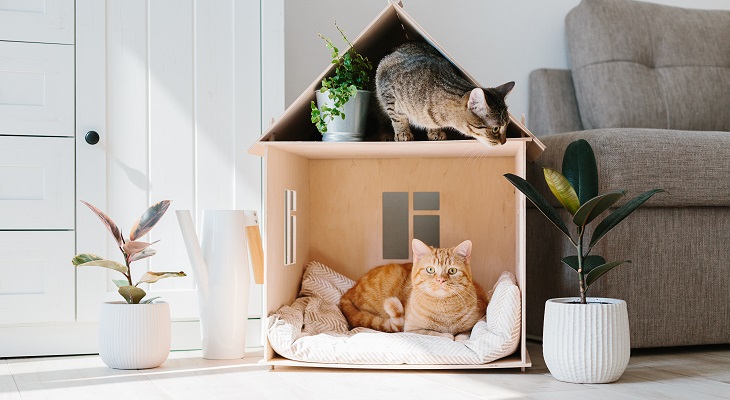
Pets are more than just animals, they provide comfort, companionship and a sense of family for many owners. So, it is no surprise that renting with pets is a widely discussed topic within the housing market.
If you are wondering whether landlords can refuse pets, you are not alone. Here is everything you need to know about your rights and responsibilities when renting with a pet.
The Renters’ Rights Act
The Renters’ Rights Act came into effect on 1 May 2026 and aims to create a fairer, more secure and higher-quality rented sector for both tenants and landlords.
Under the Act, blanket “no pets” bans by private landlords are no longer permitted. Tenants have the right to request permission to keep a pet in their rented home, although landlords can still refuse requests in certain circumstances.
To request a pet, tenants must submit a written request that includes details about the animal, such as the type of pet, its size and the amount of space it requires.
The landlord must respond within 28 days and cannot unreasonably refuse the request. They are allowed to ask for further information about the pet if needed. If you do not provide the requested information, the landlord does not have to continue considering your application.
Once you have supplied the additional details, the landlord will have either the remaining time from the original 28-day period or an additional seven days to make a final decision, whichever is later.
If the landlord refuses your request, they must have a valid reason and explain their decision in writing. Reasons for refusal could include the property being unsuitable due to its size, another tenant having allergies, or the pet being illegal to own.
If you disagree with the landlord’s decision, you may be able to challenge it by making a complaint to the new Private Rented Sector Ombudsman or by applying to the court to begin proceedings.
Remember, if your landlord approves your request and you later decide to get another pet, you will need to follow the same process again.
Protecting your rental property when living with pets
One of the main reasons some landlords have historically been reluctant to allow pets is the increased risk of damage to the property. As a pet owner, it is important to understand that you are responsible for any damage your pet causes.
If your pet damages the property, you should inform your landlord and discuss how the issue will be repaired. Your landlord may be entitled to use money from your deposit to cover repair costs if the damage goes beyond normal wear and tear.
Common issues caused by pets can include scratched skirting boards, doors or furniture, stained carpets and flooring, damaged electrical cables, and damage to gardens or outdoor areas. However, many of these problems can be avoided with the right preparation and care.
Before bringing your pet into a rental property, consider pet-proofing your home, investing in training and dealing with accidents quickly to prevent long-term damage. Simple steps can help protect the property, such as using rugs and throws to protect flooring and furniture from muddy paws, investing in a pet hair vacuum if your animal sheds frequently, and providing suitable toys to prevent unwanted chewing or scratching.
Taking good care of your pet is also essential. Providing cats with scratching posts, giving dogs suitable chew toys (especially during teething periods), and maintaining your pet’s health can all help reduce the risk of damage while keeping your animal happy and comfortable.
Keeping your pet happy and healthy
Responsible pet ownership is not only important for your animal’s wellbeing — it can also help you maintain a positive relationship with your landlord and protect the condition of your home.
You can support your pet’s health by:
* Taking them on regular walks or allowing them time outside
* Arranging for someone you trust to check on them if they will be left alone for long periods
* Keeping up with microchipping, vaccinations, deworming and flea treatments
Renting with pets can be a rewarding experience, but it comes with responsibilities. By looking after your animal and taking care of your home, you can create a comfortable environment for both you and your furry friend.